
Parking is often one of the more challenging parts of driving. It involves more than just turning the wheel into a space. You need to have good timing, control, and be aware of what is happening around you. Learning forward bay parking can make everyday situations, such as parking at supermarkets or in busy shopping areas, much easier and help you feel more confident.
Most drivers use this skill a lot, so learning it early is helpful. With practice, you will find it easier to judge your position, stay in control, and park smoothly without stress.
Forward Bay Parking Explained for Learner Drivers
Forward bay parking is a core skill every learner driver needs to develop, and understanding the technique behind it can make a big difference to your confidence. From knowing how to approach a space correctly to using simple reference points, each part of the manoeuvre helps you build control and consistency when parking.
In this guide, we’ll go through the key steps of forward bay parking, highlight common mistakes to avoid, and share practical tips to improve your accuracy. We’ll also cover what happens if you’re asked to do it on your driving test.
Here’s what we’ll cover:
- How to Forward Bay Park
- Forward Bay Park Reference Points
- Common Mistakes When Forward Bay Parking
- Tips for Improving Your Parking Accuracy
- Forward Bay Parking on Your Driving Test
How to Forward Bay Park
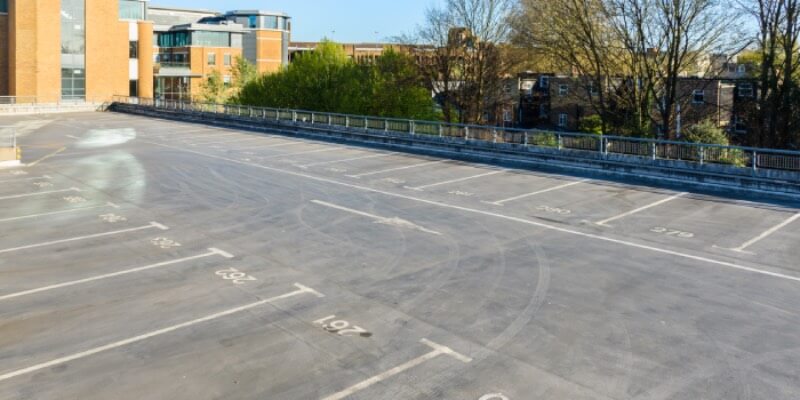
Knowing how to perform a forward bay park is an important skill, especially when parking in London, as the spaces are often tight. The manoeuvre involves guiding your car into a marked bay while maintaining control, accuracy and good positioning. It also helps to stay patient throughout the process, as rushing often leads to poor alignment and extra adjustments at the end.
Here are the main steps to forward bay parking:
- Drive toward the bay slowly and keep your car a little away from the row of parked cars.
- Line up your car so you have enough room to turn in easily.
- Turn the wheel in one smooth motion as your car reaches the right spot.
- As you enter the bay, straighten the wheel to keep your car centred between the lines.
- Move forward gently and stop when your car is fully inside the bay.
Make sure to stay aware of your surroundings at all times, checking mirrors regularly to judge your position more accurately as you move. If something doesn’t look quite right, small steering adjustments are usually better than making sudden changes.
If you focus on smooth steering and a steady approach, parking will get easier. With practice, you’ll find it more natural to judge your position and adjust in different parking situations.
Forward Bay Park Reference Points
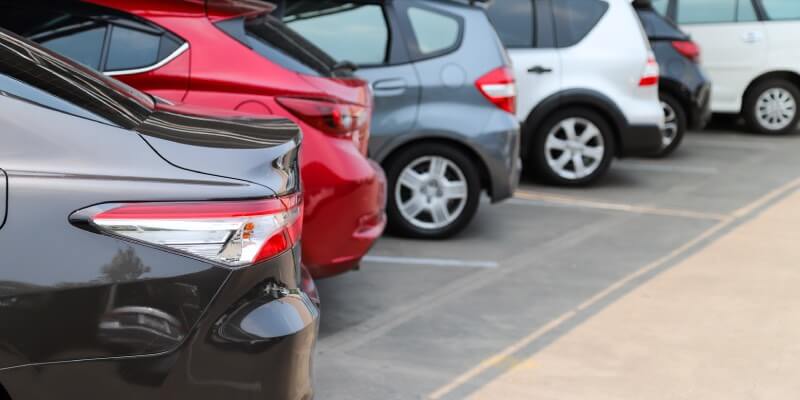
Reference points are a key part of forward bay parking because they give you clear visual cues to help judge when to steer, adjust, and stop. Instead of guessing your position, these reference points help you stay consistent and make the manoeuvre much easier to control. With time and practice, you’ll start to recognise them naturally in different car parks.
Here are some helpful reference points to watch for while you practise:
- Use the corner of your bonnet and the bay lines to decide when to start turning.
- Check how your wing mirrors line up with parked cars nearby to help you maintain an even distance.
- Notice when the bay markings show up at the same angle through your side windows.
- Use the position of your steering wheel compared to your seat as a reliable starting point.
- Watch how your car’s front enters the bay to help you know when to straighten up.
When taking driving lessons in London with us, our instructors will help you identify the reference points that work best for your height, seating position, and vehicle type, so you can build confidence and consistency.
With time, these reference points will feel natural, making forward bay parking smoother and helping you feel less hesitant.

Common Mistakes When Forward Bay Parking
Forward bay parking seems easy once you know the basics, but mistakes can still happen. Most problems come from where you position the car or how observant you are, not from how you steer.
A common mistake is going into the bay too quickly. When you rush, it becomes much harder to control the steering and judge your angle, which can lead to overcorrecting or ending up slightly off position and needing to fix it.
Another problem is overlooking blind spot checks. It’s easy to become focused on the bay and miss pedestrians, cyclists, and other cars around the vehicle, which can make parking less safe in busier areas.
Many learners also find it hard to position the car right before turning. If you start too close or too far from the bays, parking becomes awkward and less accurate. Taking a moment to set up before you turn makes the manoeuvre much smoother.
Tips for Improving Your Parking Accuracy
To get better at parking, focus on being consistent, patient, and practising regularly. As you get used to forward bay parking, judging distances and steering becomes easier, and you’ll find it simpler to make small corrections. Try to focus on making steady progress instead of aiming for perfection, and your confidence will grow.
Here are some practical tips to help improve your accuracy:
- Take your time on the approach so you can set up the manoeuvre properly.
- Practise in quieter car parks first to reduce pressure and distractions.
- Break the manoeuvre down into small, manageable steps rather than rushing it.
- Use consistent reference points so you know when to turn and straighten.
- Keep your speed slow and controlled throughout the entire process.
If you’re struggling to improve on your own, taking driving lessons in London can be really helpful, as an instructor can spot mistakes as they happen and help you put them right straight away.
With regular practice and the right approach, your accuracy will improve steadily, and forward bay parking will start to feel much more natural in a variety of situations.
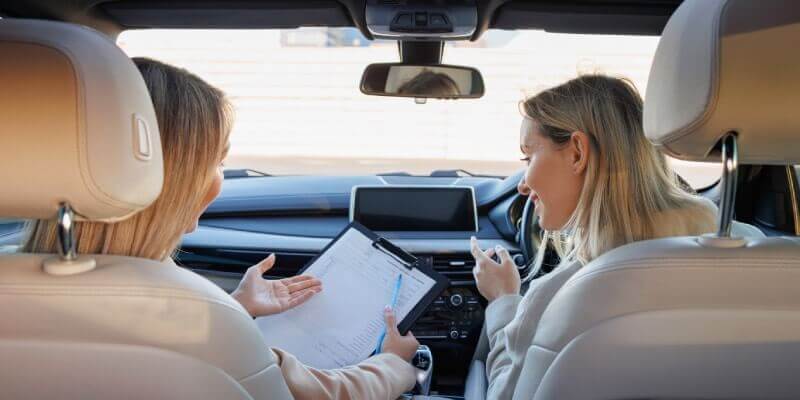
Forward Bay Parking on Your Driving Test
Forward bay parking is one of the manoeuvres you may be asked to complete during your practical driving test. While you will only be asked to perform one manoeuvre in total, it’s important to be prepared in case forward bay parking is the one you’re given. Examiners are mainly looking at how safely and confidently you control the car, rather than expecting perfection.
If you’re asked to do forward bay parking in your test, follow the steps you’ve practised. Stay calm, drive slowly, check your surroundings, and steer gently. This will help you avoid mistakes.
- You will only be asked to complete one manoeuvre during your driving test.
- Forward bay parking is one of the possible manoeuvres you may be selected for.
- The examiner may ask you to park in a space on either the left or right.
- You may be asked to correct your position if needed, as long as it is done safely.
- Other manoeuvres can include parallel parking, reverse bay parking, or pulling up on the right and reversing.
- The examiner is assessing safety, observation, and control rather than perfection.
- Staying calm and following your routine is key to good performance.
If you’re not sure how to manage driving test nerves, it often helps to stop thinking about the result and just work through what you’ve been taught. Taking things slowly and using your reference points as you go can help you stay much calmer during the manoeuvre.
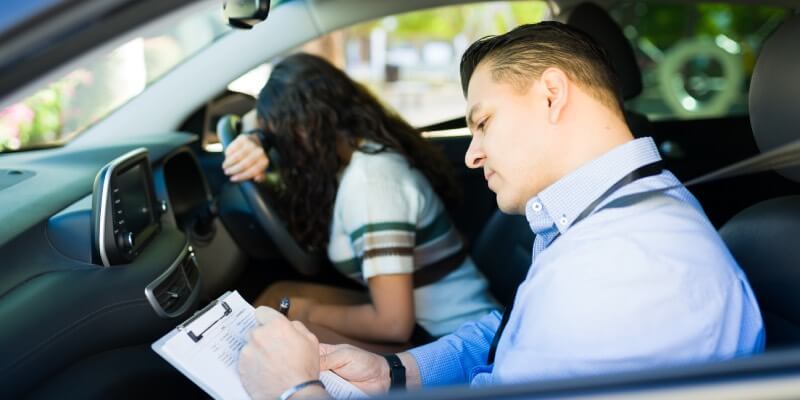
Building Confidence With Forward Bay Parking
Understanding the basics will make forward bay parking much easier. Starting in the right spot and moving slowly into the bay will help you stay calm and perform the manoeuvre consistently. With some practice, bay parking will start to become second nature.
Learning your reference points can improve parking accuracy. These visual cues help you make better decisions as you park, so you do not have to correct mistakes at the last moment. Over time, you will feel more confident and in control.
It’s quite common to rush things or miss what’s happening around the vehicle when you’re learning this manoeuvre. If you notice it early, you can stop it from becoming a habit that makes parking harder than it needs to be. Small changes in positioning and approach often help more than people expect.
On your driving test, forward bay parking is one of the skills you may be asked to demonstrate. Being comfortable with it really helps. Staying calm, following your usual routine, and focusing on safe control will make it much easier to manage pressure on the day.
At our driving school in London, we work closely with each learner to help build confidence and improve parking skills at their own pace. With steady practice and the right support, forward bay parking becomes much more routine and less of a challenge.