
If you’ve ever felt a bit tense about fitting into a tight parking space, you’re definitely not the only one. Parallel parking is often seen as one of the trickier parts of learning to drive.
Learning how to do a parallel park isn’t about luck or guessing. It’s about knowing the steps, using reference points, and staying calm. Once you get the hang of it, parallel parking becomes just another part of driving.
How to do a parallel park: everything you need to know
This guide explains parallel parking in simple steps, so you’ll know what to expect during your lessons and driving test. We’ll talk about what parallel parking is, how it’s different from reverse parking, and then go through the steps, key reference points, and practical tips to help you feel more confident and in control.
Below, you’ll find each section of the guide in more detail:
- What Is Parallel Parking?
- Parallel Parking Steps Made Simple
- Parallel Parking Reference Points
- What’s the Difference Between Parallel Parking and Reverse Parking?
- Parallel Parking Tips and Common Mistakes
- How to Handle Parallel Parking on Your Driving Test

What Is Parallel Parking?
Parallel parking means reversing your car into a space at the side of the road, lining it up with the kerb, usually between two other parked cars.
It’s a common part of the practical driving test, and your examiner may ask you to complete it as part of your independent driving. You could be instructed to park behind another car or carry out a similar reversing exercise, depending on the route and available space.
The main goal is to stop your car safely and under control near the kerb, staying aware of your surroundings and not touching the pavement. Usually, you should finish about 30cm from the kerb.
Instead of aiming for perfection right away, focus on keeping control of the car, making safe choices, and staying aware of everything around you during the manoeuvre.

Parallel Parking Steps Made Simple
Use your instructor’s reference points, since these might change a bit depending on your car. The main method for parallel parking is mostly the same. Take it one step at a time, move slowly and steadily, and keep checking your surroundings as you go.
Find a safe, suitable space
Check that the space is legal, big enough, and safe for parking. Don’t block driveways, junctions, or crossings. Look at road markings and signs to make sure you’re following the Highway Code rules for parking.
Position your car alongside the parked vehicle
Stop next to the car in front of the space, leaving about a door’s width between your car and theirs. Line up your rear bumpers, keep your wheels straight, and make sure your car is steady before you start reversing.
Complete full observations and select reverse gear
Look in your mirrors, check your blind spots, and look all around before you put the car in reverse. Keep watching your surroundings the whole time, not just once at the start.
Begin reversing and steer into position
Reverse slowly and use the clutch to control your speed. When the back of the parked car lines up with your reference point, turn the steering wheel one full turn toward the kerb. Turn left if you’re parking on the left side of the road.
Angle the car into the space
When your car is at a 45-degree angle, you’ll see the kerb in your left mirror. Now, turn the steering wheel all the way in the other direction to move the front of your car into the space.
Straighten and adjust your position
When your car is almost parallel with the kerb, straighten the steering wheel. Make small adjustments if needed. Check the space in front and behind to make sure you’re parked safely.
Parallel parking is more about control, timing, and awareness of your surroundings than about speed or perfection. If you go slowly, follow the steps, and keep looking around, it gets easier with practice.
When you take driving lessons in London with us, our instructors will guide you clearly and help you feel more confident with this manoeuvre.
Parallel Parking Reference Points
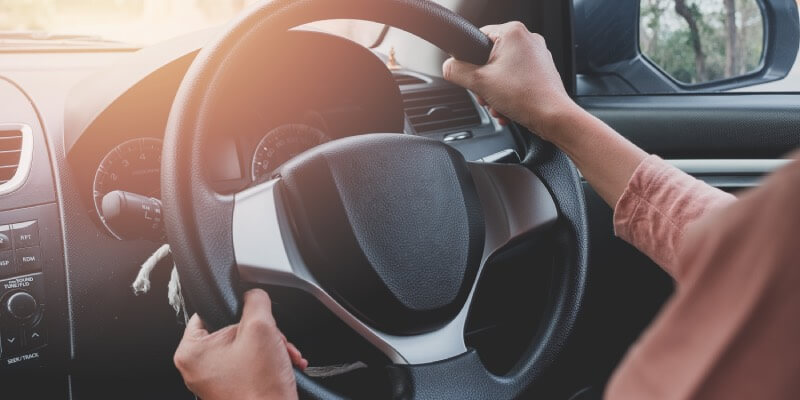
Reference points are visual cues that help you see where your car is compared to the kerb and other vehicles. They can change a bit depending on the car, so your instructor will help you find markers that suit your vehicle. Using these points makes parallel parking less of a guessing game and helps you feel more confident about positioning and steering.
- Rear window alignment point: You can use this to decide when to start steering by watching for the moment when the rear of the parked car lines up with your rear window.
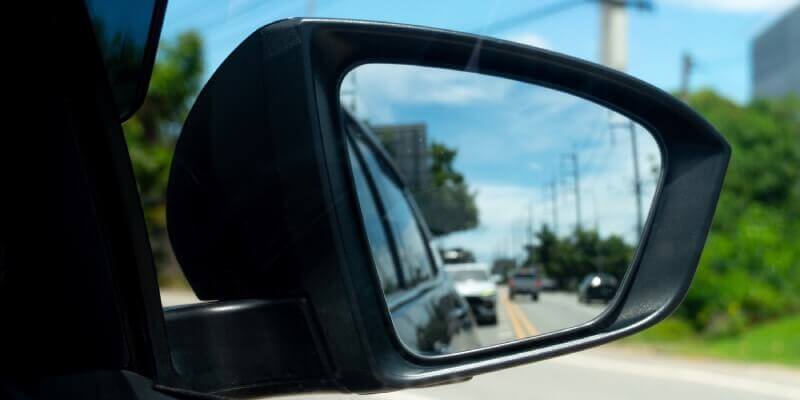
- Door mirror kerb position: This helps you check how close you are to the kerb while reversing, so you can adjust your steering if needed.
- Front passenger mirror reference: You can use this to see when the front of your car has cleared the parked vehicle in front.
- 45-degree angle cue: This cue shows you when it’s time to steer the other way to straighten your car.
- Kerb distance check: You can use this to judge when you’re nearly done, and your car is safely and evenly parked.
As you practice, you’ll spot these reference points more easily and need them less as your awareness grows. If you’re learning with our driving school in London, your instructor will help you get comfortable using these cues until parallel parking feels natural.
What’s The Difference Between Parallel Parking & Reverse Parking?
Many learners find this confusing at first. Parallel parking means reversing into a space along the side of the road so that your car is neatly lined up with the kerb.
Reverse parking is a broader term. It includes any time you reverse into a space, like a car park bay or a driveway.
The main difference is how you position the car. In parallel parking, you line up along the kerb on the roadside. In reverse bay parking, you park between marked lines in a car park. Knowing this helps you practise the right technique for each one.

Parallel Parking Tips & Common Mistakes
Parallel parking becomes easier once you develop some good habits and know what to look for. Most people get better quickly if they stay calm, drive slowly, and adjust as needed, rather than trying to get it perfect on the first try.
Common mistakes
- Trying to park too quickly can make you lose control.
- If you start from a bad or uneven position, parking becomes much harder.
- Turning the steering wheel too soon or too late can throw off your parking.
- Forgetting to check mirrors and blind spots often enough is a common mistake.
- Expecting to park perfectly in one go, without making any adjustments, can lead to frustration.
Useful tips
- Go slowly and give yourself plenty of time as you park.
- Make sure you line up your car carefully before you start to reverse.
- Steer smoothly and avoid making any sudden or sharp turns.
- Keep looking around your car as you move to stay aware of your surroundings.
- It’s normal to make small corrections while parking, so don’t stress about it.
As you practice, these habits will become natural, and parallel parking will get much easier and more predictable.

How To Handle Parallel Parking On Your Driving Test
Parallel parking during your driving test can feel stressful, but remember that examiners do not expect perfection. They want to see that you control the car safely, pay attention to your surroundings, and make good decisions throughout the manoeuvre. Staying calm and following your usual routine is often the best way to succeed.
- Keep calm and drive slowly, keeping your speed under control.
- Look around regularly in every direction to stay aware of your surroundings.
- Rely on your reference points to position the car, rather than guessing.
If you do not get it perfect on your first try, that is okay. Making small adjustments is normal, as long as you stay in control and finish the manoeuvre safely. The most important thing is to show that you are aware, in control, and making safe choices from beginning to end.
Wrapping Up Your Parallel Parking Skills
Parallel parking might seem tough at first, but it gets easier once you know the steps. Learning what parallel parking is, how it’s different from reverse parking, and following a clear method all help you feel more confident when driving.
Reference points help you judge where to position your car and how to steer. Familiarising yourself with common mistakes can help you avoid them. Simple tips like slowing down, paying attention, and moving smoothly can make parallel parking feel much more controlled.
Our instructors are here to help you stay calm, focused, and aware while you learn. By taking your time and following each step, you’ll soon be able to parallel park with confidence. With our driving lessons in London, you’ll get lots of practice and support so that driving feels natural and comfortable.